
tissue repair peptide
Tissue Repair Peptide Research | BPC-157, TB-500 & KPV Australia
Browse Pro Peptide’s range of tissue repair peptide research products for laboratory and in-vitro research. This category includes research peptides and peptide blends such as BPC-157, TB-500, BPC-157 + TB-500, KPV, ARA-290, GHK-Cu, GLOW Peptide Blend and KLOW Peptide Blend.
Australian Lab Supply
Dispatched from our Australian-connected peptide supplier with worldwide and local stock availability and transparent handling.
≥99% Purity Certified
Batch documentation and CoA details ensure every research material is supported by appropriate product.
Research-Use Support
Access expert lab-grade storage, handling guidance, reconstitution and research-focused peptide solutions.
Australian Lab Supply
Dispatched from our Australian-connected peptide supplier with worldwide and local stock availability and transparent handling.
≥99% Purity Certified
Batch documentation and CoA details ensure every research material is supported by appropriate product.
Research-Use Support
Access expert lab-grade storage, handling guidance, reconstitution and research-focused peptide solutions.
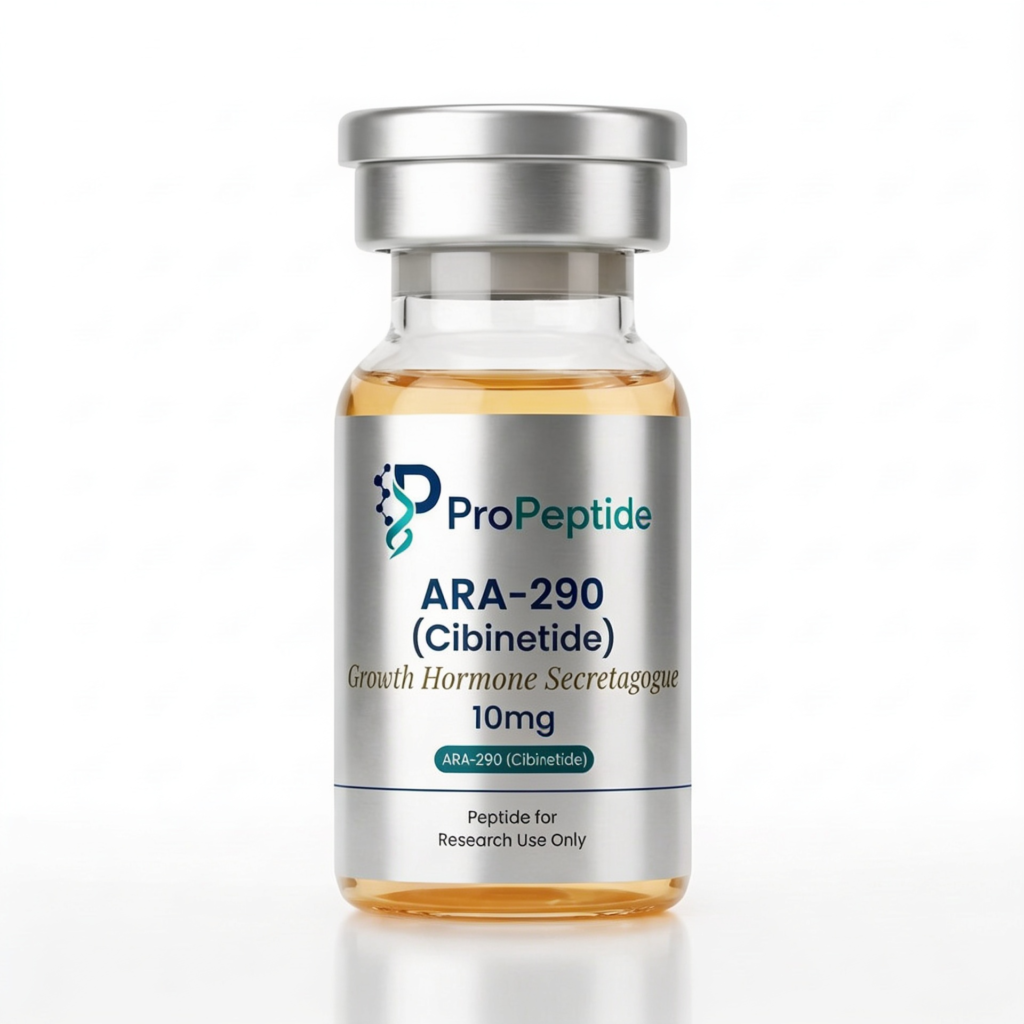
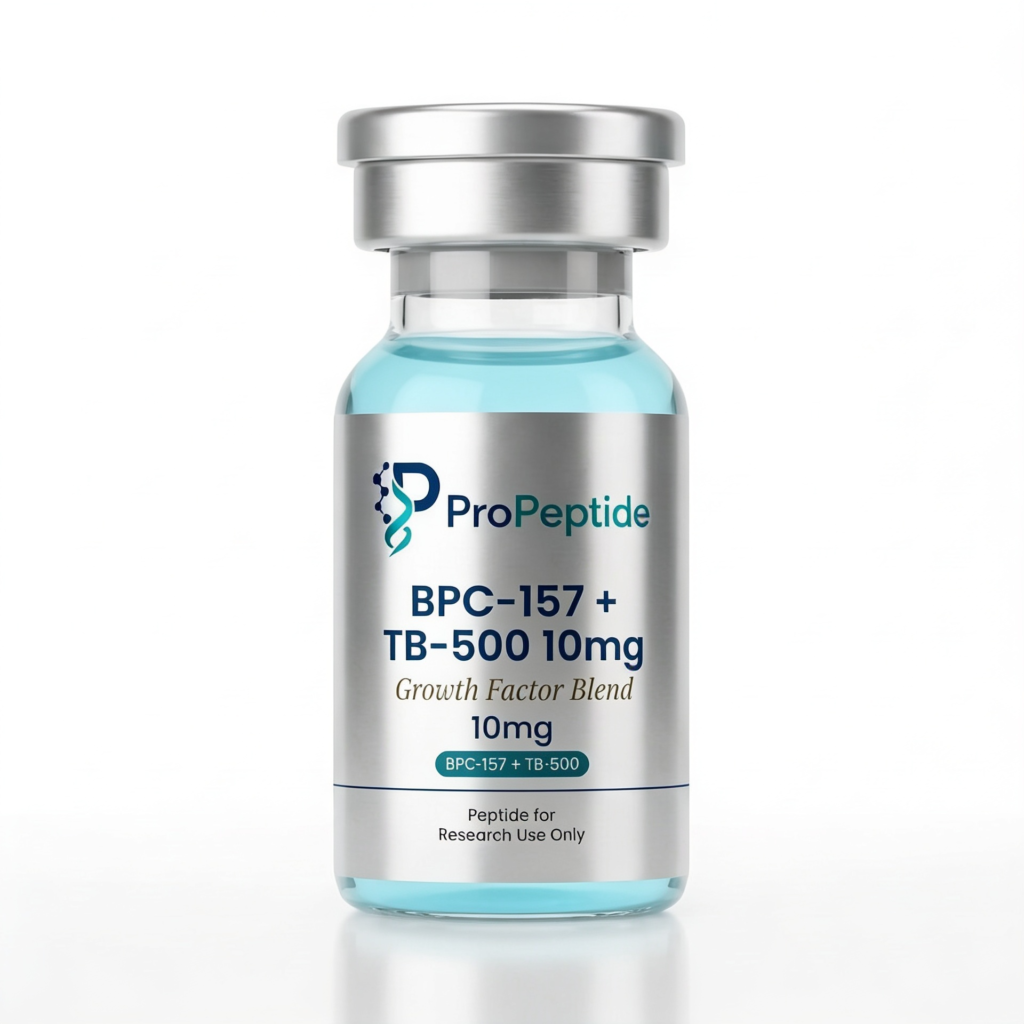
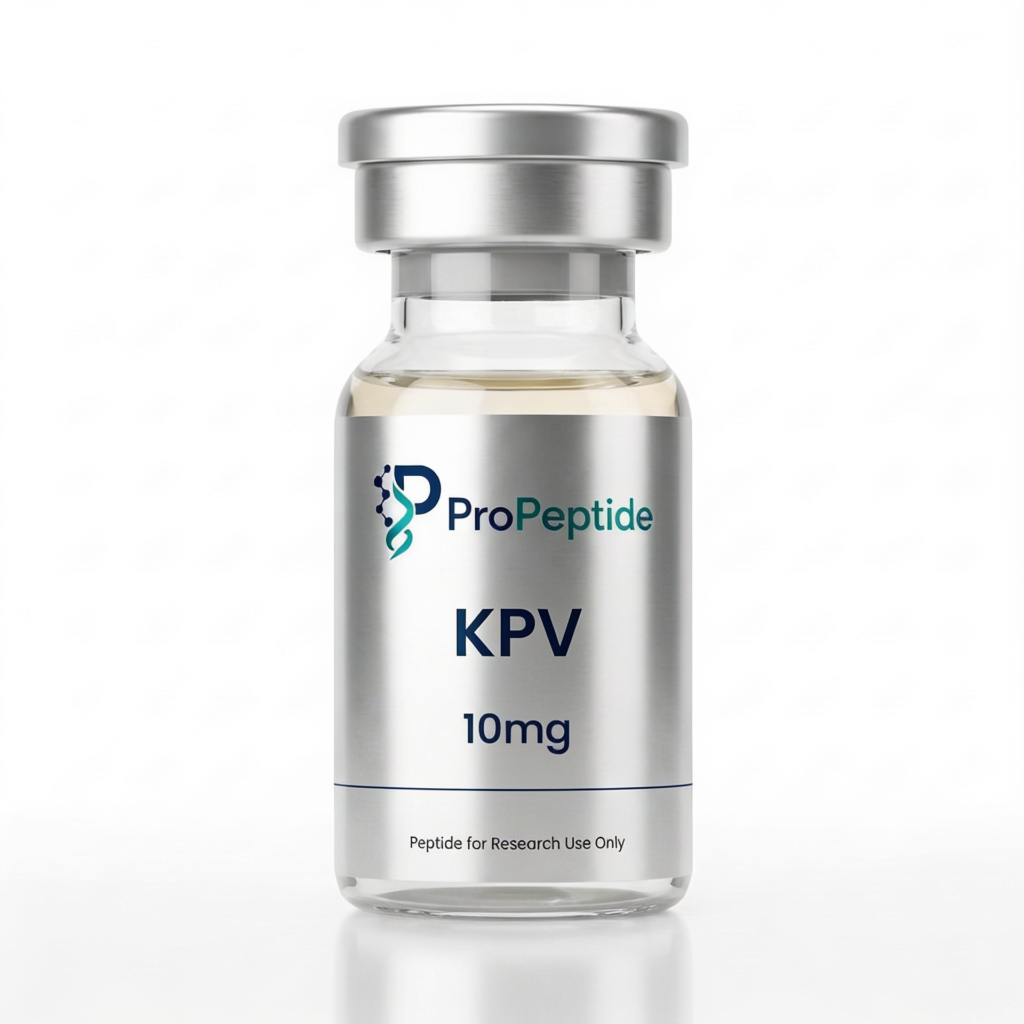
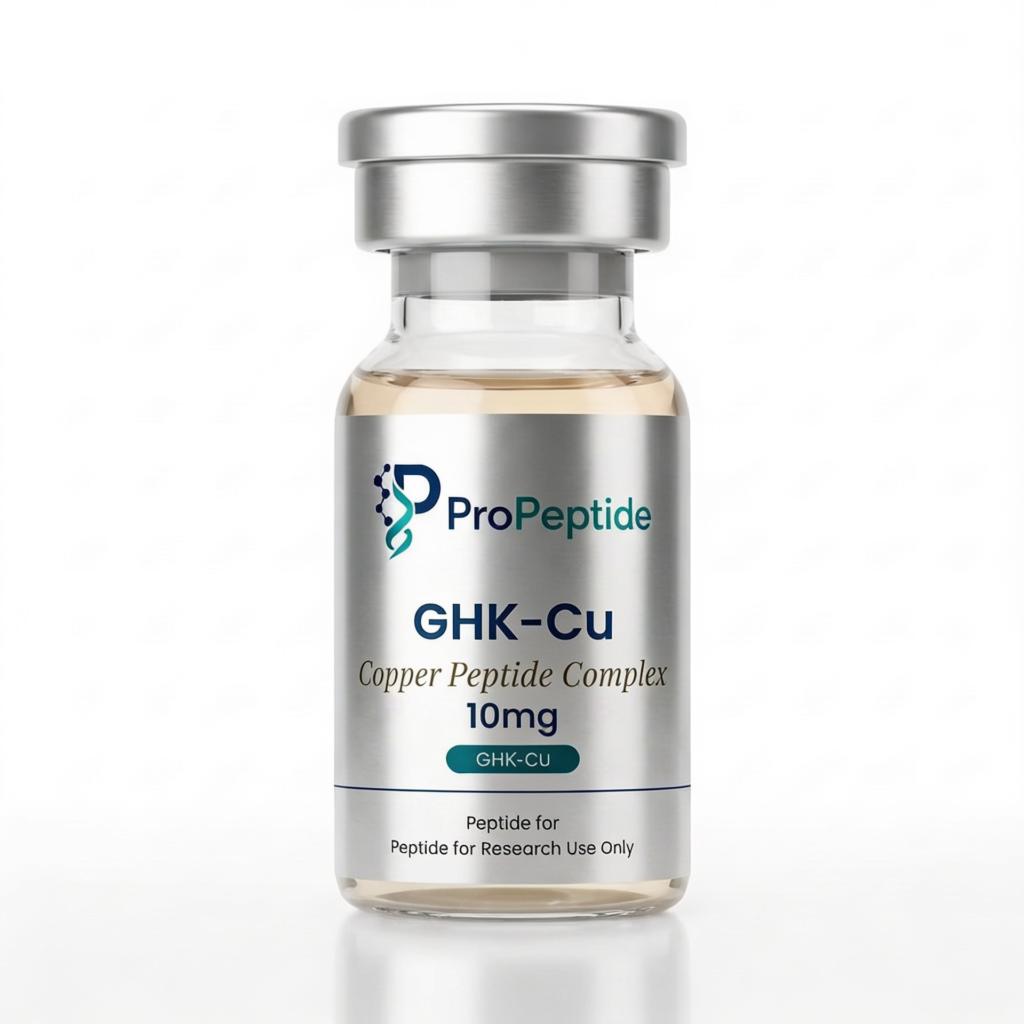
tissue repair peptides
Tissue Repair Peptide Products for Laboratory Studies
A tissue repair peptide is generally searched by researchers looking for peptides connected to cellular signalling, extracellular matrix models, cytoprotection research, actin pathway research, epithelial barrier studies, inflammatory pathway models and wound-response research systems.
This category is designed to help researchers browse tissue-response research products clearly without presenting them as human-use healing products. Each peptide has a different research profile, mechanism context, strength, storage requirement and documentation record.
The TGA has specifically identified unapproved peptide products containing examples such as BPC-157, GHK-Cu and TB-500 as raising public health and regulatory concerns when supplied or promoted for human use. The TGA also states that unapproved peptide products have not been assessed for safety, quality or effectiveness.
Shop Tissue Repair Peptide Research Products
BPC-157
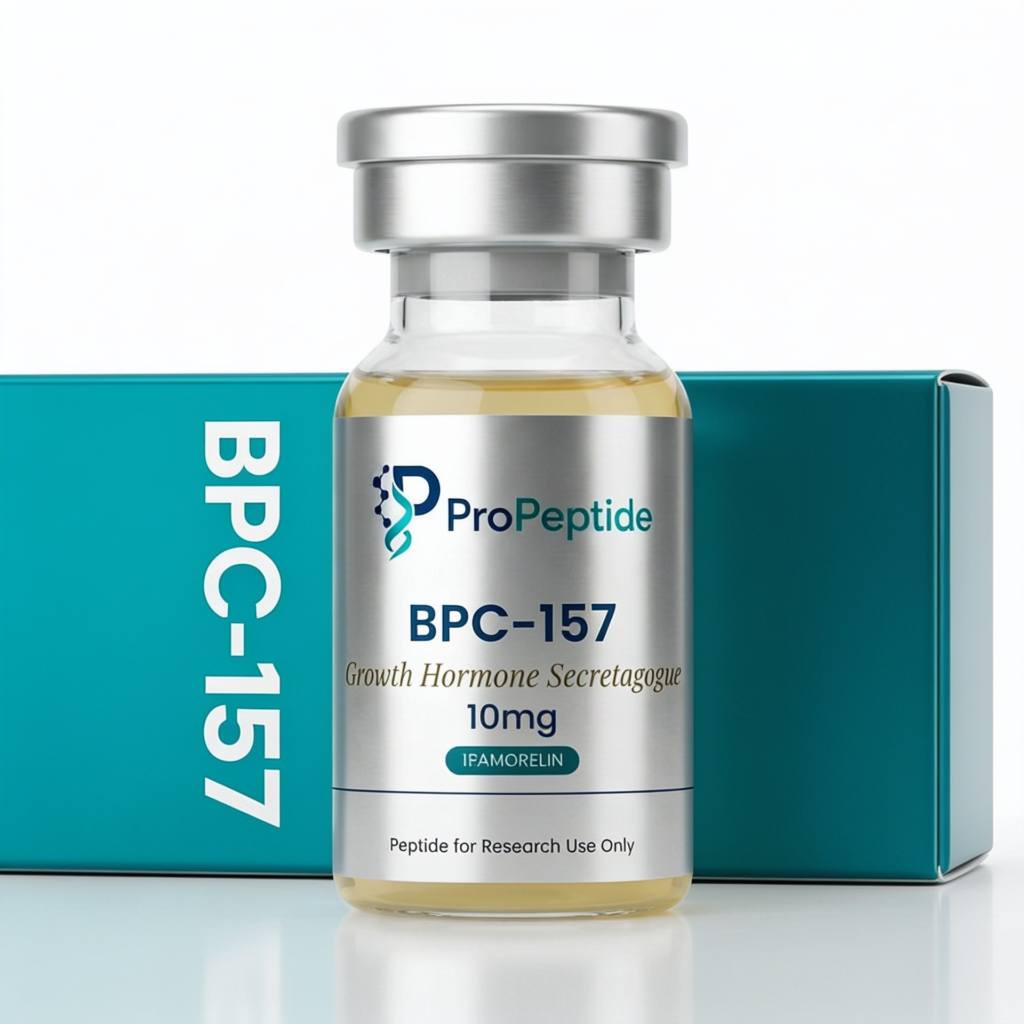
BPC-157 is one of the most commonly searched tissue repair peptide research products. It is a stable gastric pentadecapeptide studied in laboratory models involving cytoprotection, adaptive cytoprotection, nitric oxide pathway research, angiogenesis-related models and tissue-response research contexts.
For Pro Peptide, BPC-157 should be positioned strictly as a laboratory research peptide. It should not be promoted as a human injury recovery product, gut-healing product, tendon repair peptide, pain relief product, wound-healing product or injectable peptide for self-use.
TB-500
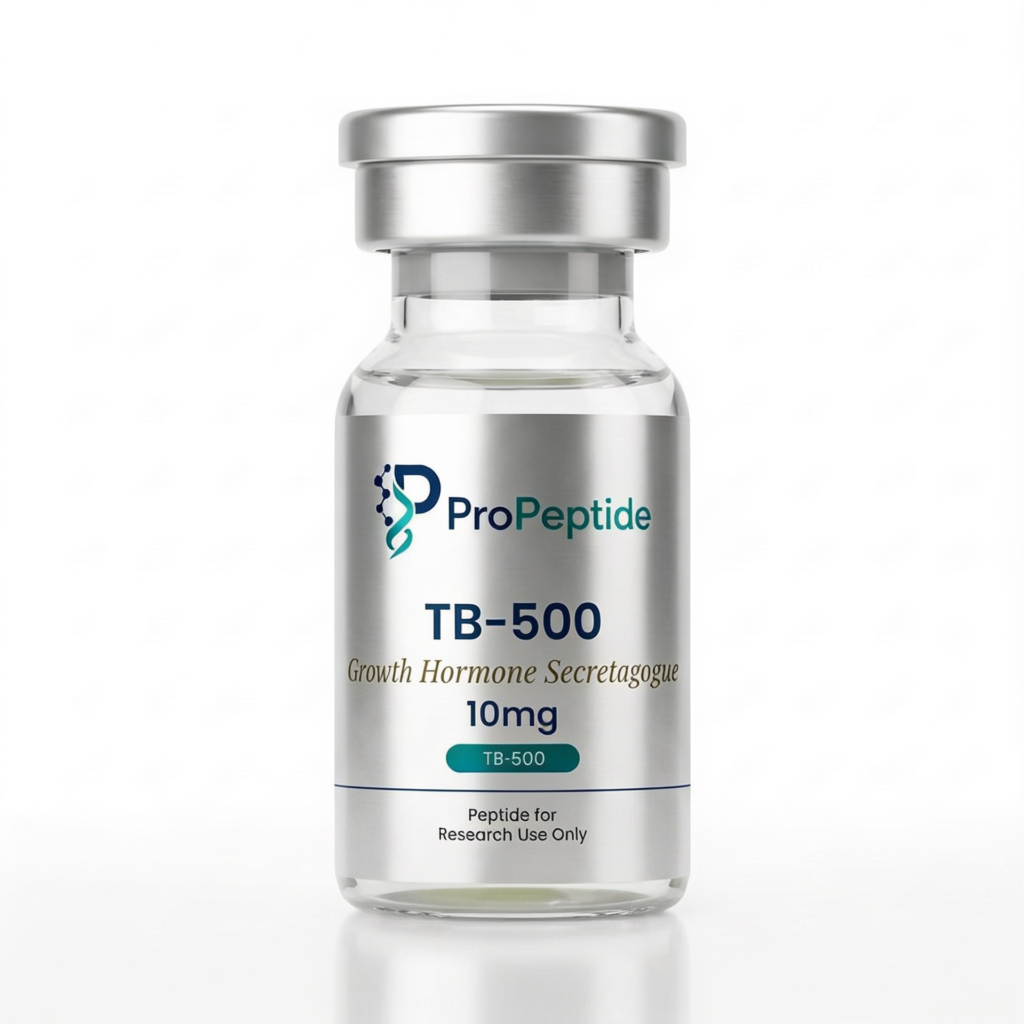
TB-500 is commonly grouped in the tissue repair peptide category because of its research relationship to thymosin beta-4, actin regulation, cytoskeletal pathway research and cell migration models. Published research describes beta-thymosins as important intracellular actin-sequestering factors, and thymosin beta-4 has been studied in relation to actin assembly and cell behaviour.
On Pro Peptide, TB-500 should be written as a thymosin beta-4 fragment research peptide only. Avoid injury recovery, sports recovery, muscle repair, tendon repair, wound-healing, performance or human-use claims.
BPC-157 + TB-500
BPC-157 + TB-500 is a dual-component tissue repair peptide blend for research settings where both named peptides are being studied together in pathway models.
Product copy should clearly separate research context from human-use claims. The blend should be described around gastric pentadecapeptide research, thymosin beta-4 fragment research, cytoprotection pathway models, actin pathway models and peptide interaction research.
Do not describe BPC-157 + TB-500 as a healing blend, recovery blend, injury protocol, sports peptide stack or tissue repair treatment.
KPV
KPV is a short tripeptide commonly discussed in alpha-MSH-related research. It is often included in tissue repair peptide and inflammatory pathway research categories because of its relationship to cytokine pathway models, melanocortin-related signalling and epithelial barrier research. A PubMed Central review notes that much of the anti-inflammatory activity discussed for alpha-MSH-related peptides can be attributed to the C-terminal tripeptide KPV.
For product pages, KPV should be positioned as an alpha-MSH-derived tripeptide research peptide only. Avoid gut-healing, IBD, autoimmune, anti-inflammatory treatment, pain relief or human-use claims.
ARA-290 Cibinetide
ARA-290, also known as Cibinetide, is included in this tissue repair peptide research category because it is often discussed in relation to innate repair receptor research, EPOR/CD131 pathway models, inflammatory pathway research and small nerve fibre pathway studies.
For Pro Peptide, ARA-290 should remain framed as a research peptide only. Avoid neuropathy treatment, pain relief, nerve repair, tissue repair, disease treatment or therapeutic claims.
GHK-Cu
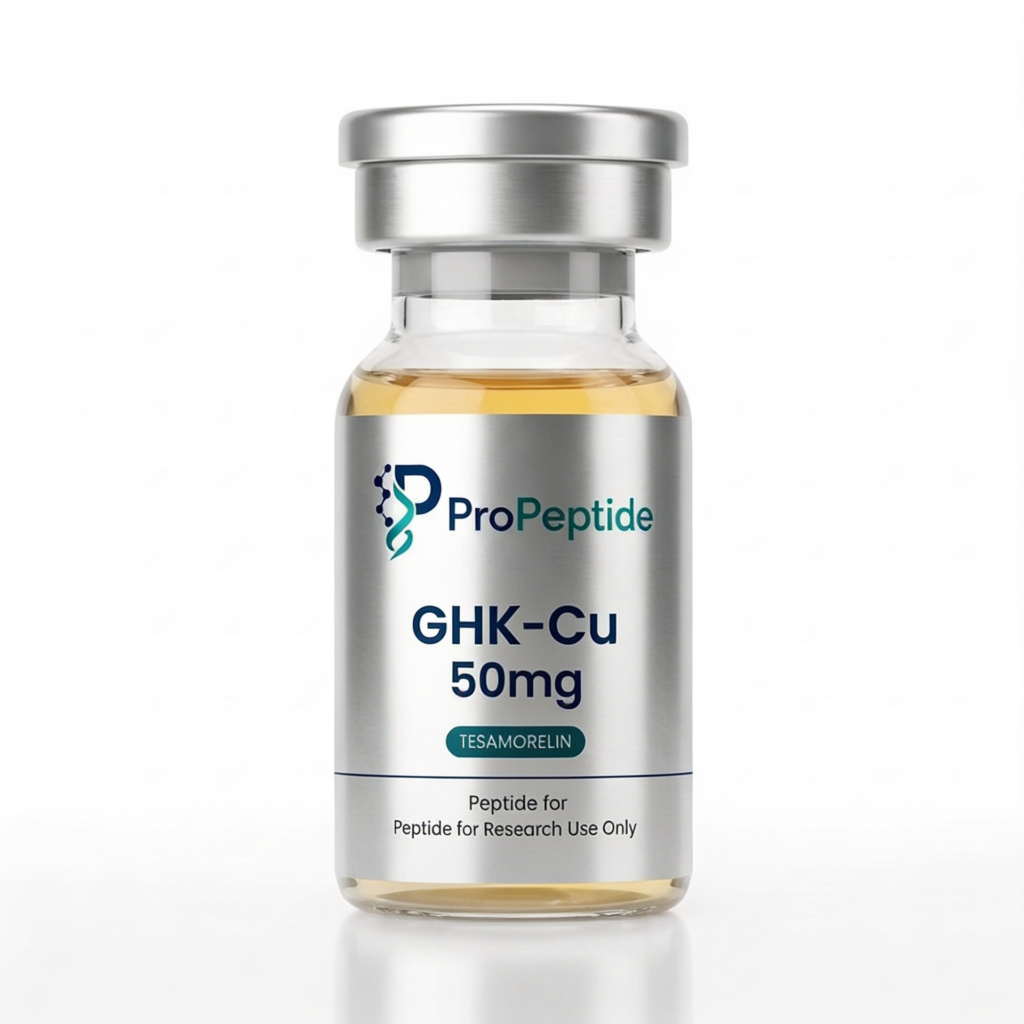
GHK-Cu is a copper peptide research compound often grouped with tissue repair peptide products because of its research interest in extracellular matrix models, copper peptide biology, cellular signalling and skin pathway research.
GHK-Cu should not be marketed as a skincare product, cosmetic product, collagen booster, wound-healing product, hair-growth product, anti-ageing treatment or topical product. It should remain positioned as a copper peptide research product.
GLOW Peptide Blend
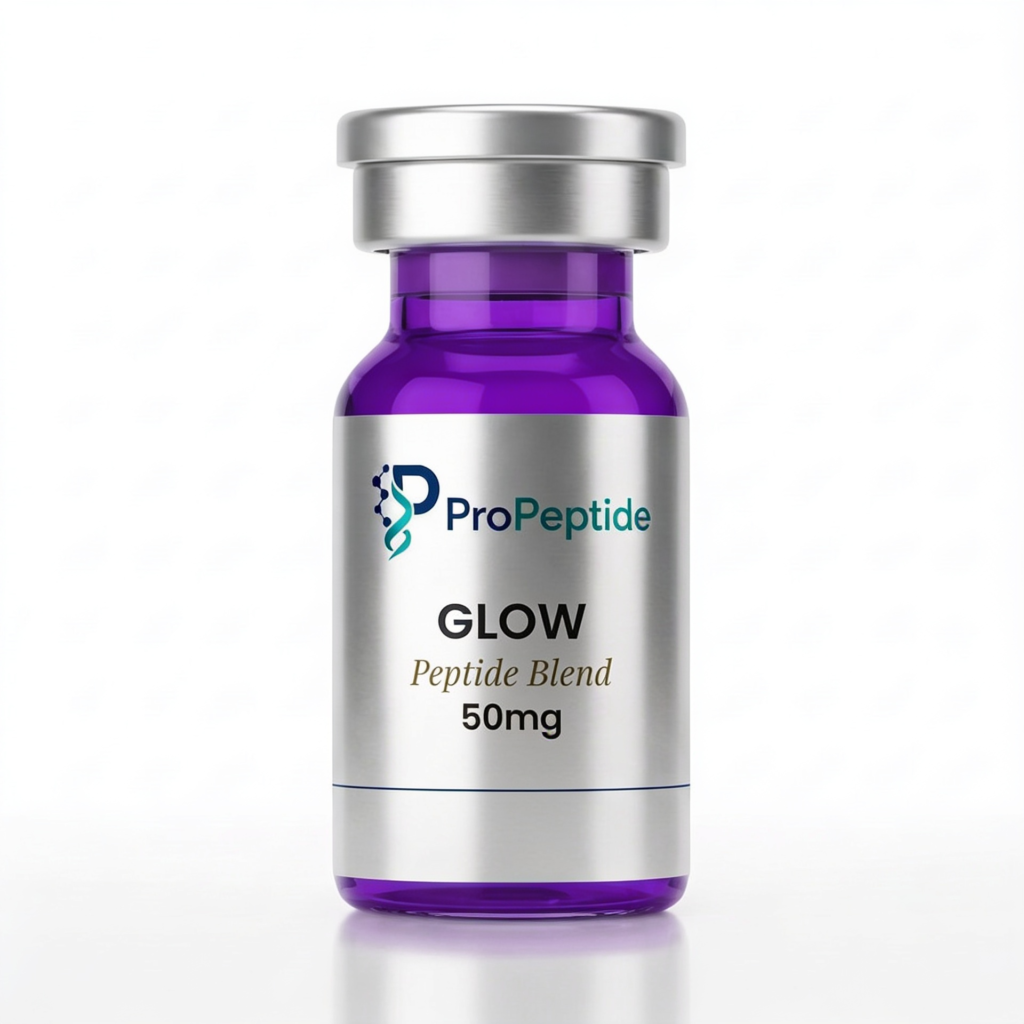
GLOW Peptide Blend is a research-use peptide blend that may be grouped with tissue repair peptide research products depending on its confirmed Certificate of Analysis. Because blend names do not confirm ingredient lists, the exact component peptides and ratios must be verified before making component-specific claims.
Avoid positioning GLOW as a glowing skin, anti-ageing, collagen, cosmetic, skincare, scar, hair-growth or tissue-repair product.
KLOW Peptide Blend
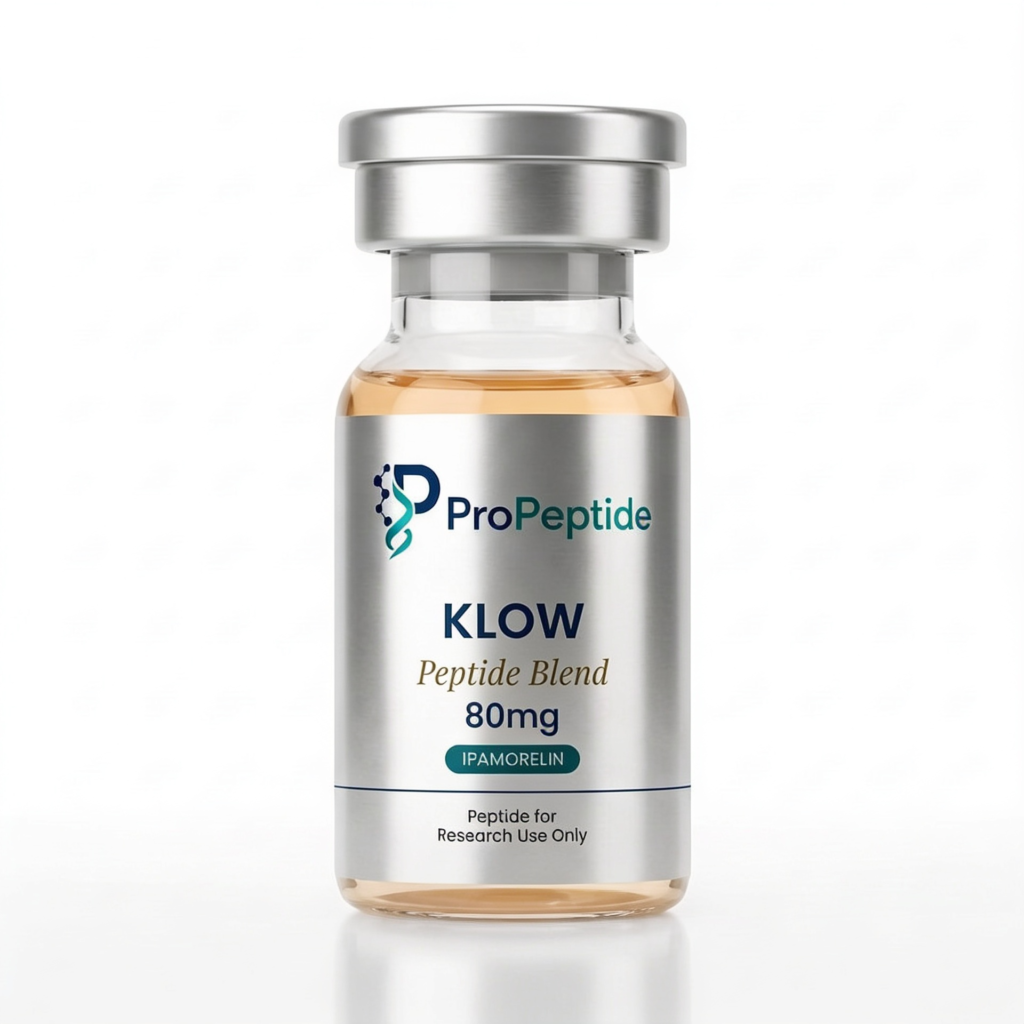
KLOW Peptide Blend is another research-use peptide blend suited to CoA-dependent tissue-response pathway research. As with all peptide blends, the component identity, ratio, total blend amount and purity information should be checked before laboratory use.
KLOW should not be promoted as an anti-inflammatory product, pain relief product, recovery product, healing product or treatment product.
tissue repair peptides
Shop Tissue Repair Peptide Products
Browse Pro Peptide’s range of tissue repair peptide research products for laboratory and in-vitro research. This category includes research peptides and peptide blends such as BPC-157, TB-500, BPC-157 + TB-500, KPV, ARA-290, GHK-Cu, GLOW Peptide Blend and KLOW Peptide Blend.
The phrase tissue repair peptide is used as a research category label only. These products are not supplied for human tissue repair, wound healing, injury recovery, pain relief, self-administration, injection, medical treatment, cosmetic use or therapeutic use.
All products in this tissue repair peptide category are supplied strictly for laboratory research use only.
Why Researchers Browse This Category
Researchers browsing the tissue repair peptide category are usually looking for products connected to cellular response, peptide signalling, cytoprotection models, extracellular matrix research, cell migration models and pathway-based tissue-response studies.
This category helps researchers compare products by:
- Research pathway
- Peptide class
- Product strength
- Single peptide or blend format
- Certificate of Analysis availability
- Batch documentation
- Storage requirements
- Product handling information
- Research-use-only positioning
Every tissue repair peptide product should be reviewed against its product label, batch number, Certificate of Analysis and relevant laboratory protocol before use.
BPC-157 vs TB-500 Research Context
BPC-157 and TB-500 are often grouped together in tissue repair peptide research categories, but they should not be treated as the same product.
BPC-157 is generally positioned around stable gastric pentadecapeptide, cytoprotection, nitric oxide and tissue-response research. TB-500 is generally positioned around thymosin beta-4 fragment, actin regulation, cytoskeletal behaviour and cell migration pathway research.
For SEO and compliance, avoid describing them as a human healing stack, injury protocol, recovery cycle, sports repair product or injectable combination. On this page, they should only be discussed as tissue repair peptide research products for laboratory pathway models.
BPC-157 + TB-500 Blend Research
BPC-157 + TB-500 is a named peptide blend that belongs naturally in a tissue repair peptide research category because both products are connected to tissue-response pathway discussions in research settings.
However, blend copy needs to stay precise. The product page should confirm the total blend amount, component amounts, component ratio and Certificate of Analysis details. Do not assume equal component ratios unless the product label and CoA confirm them.
What to check before laboratory use
- Product name
- Total blend amount
- Confirmed component list
- Component ratio
- Batch number
- Certificate of Analysis
- Purity information
- Storage guidance
- Vial condition
- Research protocol compatibility
Tissue Repair Peptide Blends
Peptide blends such as GLOW, KLOW and BPC-157 + TB-500 should be handled carefully in category copy. Blend names are not chemical identities by themselves. The Certificate of Analysis should confirm which peptides are present and in what amounts.
Why blend documentation matters
A tissue repair peptide blend may contain more than one research peptide, and each component may have different molecular properties, concentration calculations, storage considerations and pathway relevance.
Researchers should never assume:
- The blend contains specific peptides based on its name
- The blend has equal component ratios
- The total blend amount equals the amount of each component
- A blend is interchangeable with a single peptide
- A blend is suitable for human or animal use
Benefits of Shopping Tissue Repair Peptide Products at Pro Peptide
Pro Peptide’s tissue repair peptide category is built to help research customers browse clearly, compare products responsibly and verify documentation before laboratory use.
What You Can Expect
- Clear product names and strengths
- Research-use-only product positioning
- Certificate of Analysis support where available
- Product category guidance
- Storage and handling information
- Batch documentation support
- Australian dispatch options
- Worldwide shipping where permitted
- Customer support for order and certificate enquiries
Pro Peptide does not provide dosing, injection, administration, treatment, injury recovery, healing, anti-inflammatory, pain relief or self-use guidance.