
longevity research peptides
Energy & Longevity Peptides | Longevity Research Peptides Australia
Browse Pro Peptide’s energy and longevity peptides category for laboratory and in-vitro research products connected to mitochondrial pathway research, cellular stress models, redox biology, ageing pathway research, NAD+ research, oxidative stress models and mitochondrial-derived peptide studies.
Australian Lab Supply
Dispatched from our Australian-connected peptide supplier with worldwide and local stock availability and transparent handling.
≥99% Purity Certified
Batch documentation and CoA details ensure every research material is supported by appropriate product.
Research-Use Support
Access expert lab-grade storage, handling guidance, reconstitution and research-focused peptide solutions.
Australian Lab Supply
Dispatched from our Australian-connected peptide supplier with worldwide and local stock availability and transparent handling.
≥99% Purity Certified
Batch documentation and CoA details ensure every research material is supported by appropriate product.
Research-Use Support
Access expert lab-grade storage, handling guidance, reconstitution and research-focused peptide solutions.
longevity research peptides
Longevity Research Peptides for Laboratory Studies
This category may include research products such as MOTS-C, SS-31, NAD+, Glutathione and Epitalon. These products are commonly grouped near longevity research peptides because of their research interest in mitochondrial function, redox signalling, cellular stress response and ageing-related pathway models.
The phrase longevity research peptides is used as a research category label only. These products are not supplied for human energy, anti-ageing, longevity, wellness, mitochondrial support, fatigue, performance, self-administration, injection, infusion, supplementation, medical treatment or therapeutic use.
Longevity research peptides are research-use peptides and related compounds studied in laboratory settings for their connection to mitochondrial biology, cellular energy pathways, redox systems, stress-response signalling and ageing pathway models.
This category is designed to help researchers browse energy and longevity pathway products clearly without presenting them as human-use anti-ageing or energy products. Each product has a different research profile, molecular class, handling requirement and documentation record.
MOTS-C, for example, is described in research literature as a mitochondria-derived peptide encoded by the mitochondrial 12S rRNA gene, with research interest in stress response, metabolism and ageing-related pathway models. SS-31, also known as Elamipretide, is described in review literature as a mitochondria-targeting tetrapeptide that interacts with cardiolipin on the inner mitochondrial membrane.
Important Research-Use Notice
The phrase longevity research peptides does not mean these products are suitable for human longevity, anti-ageing, energy enhancement or wellness use. It is a category term for laboratory research products connected to cellular ageing, mitochondrial and redox pathway research.
Pro Peptide products are not supplied for:
- Human consumption
- Animal consumption
- Injection
- Infusion
- Self-administration
- Energy enhancement
- Anti-ageing
- Longevity
- Fatigue support
- Mitochondrial support
- Wellness use
- Supplementation
- Athletic performance
- Cognitive performance
- Medical treatment
- Disease prevention
- Therapeutic use
The TGA has warned consumers about the risks of importing and using unapproved peptide products promoted online, including products that may be poorly labelled, difficult to verify, not sterile or not subject to Australian safety and quality standards.
longevity research peptides
Shop Energy & Longevity Research Products
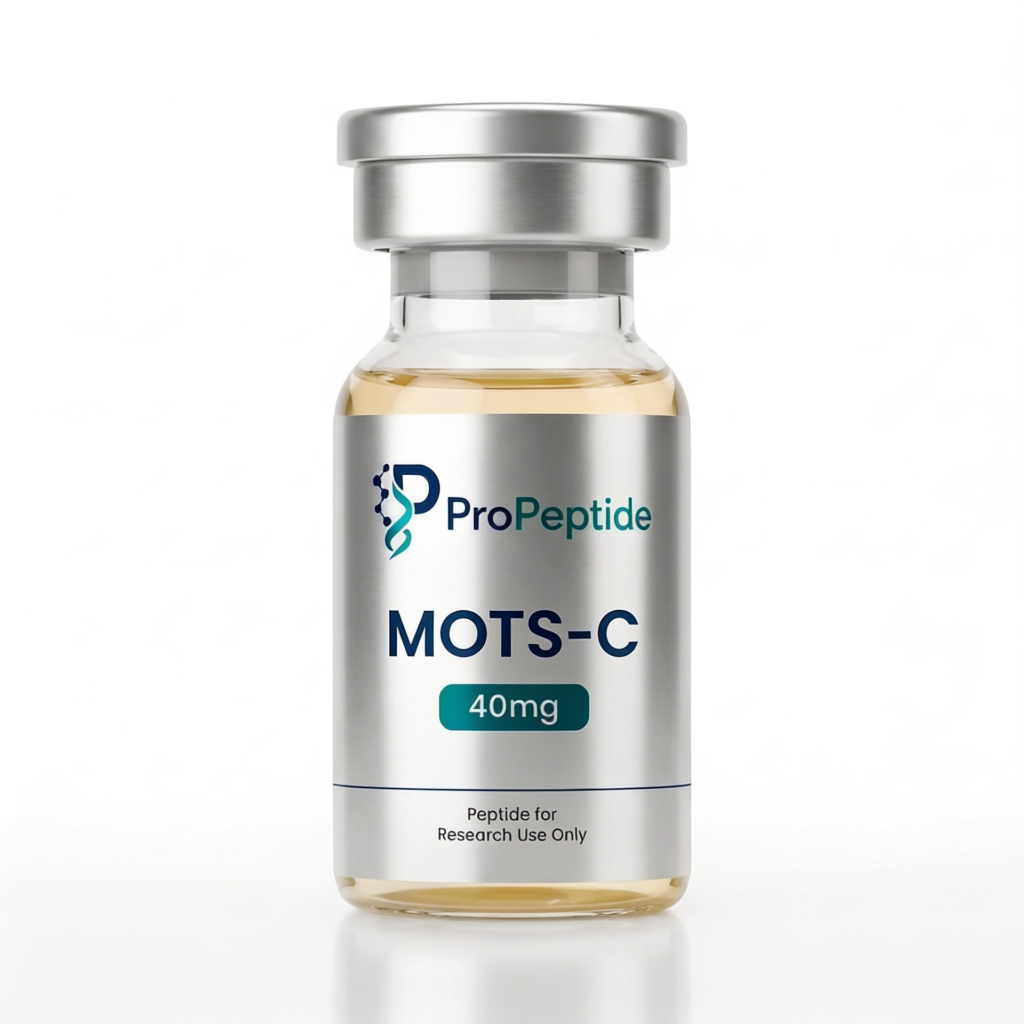
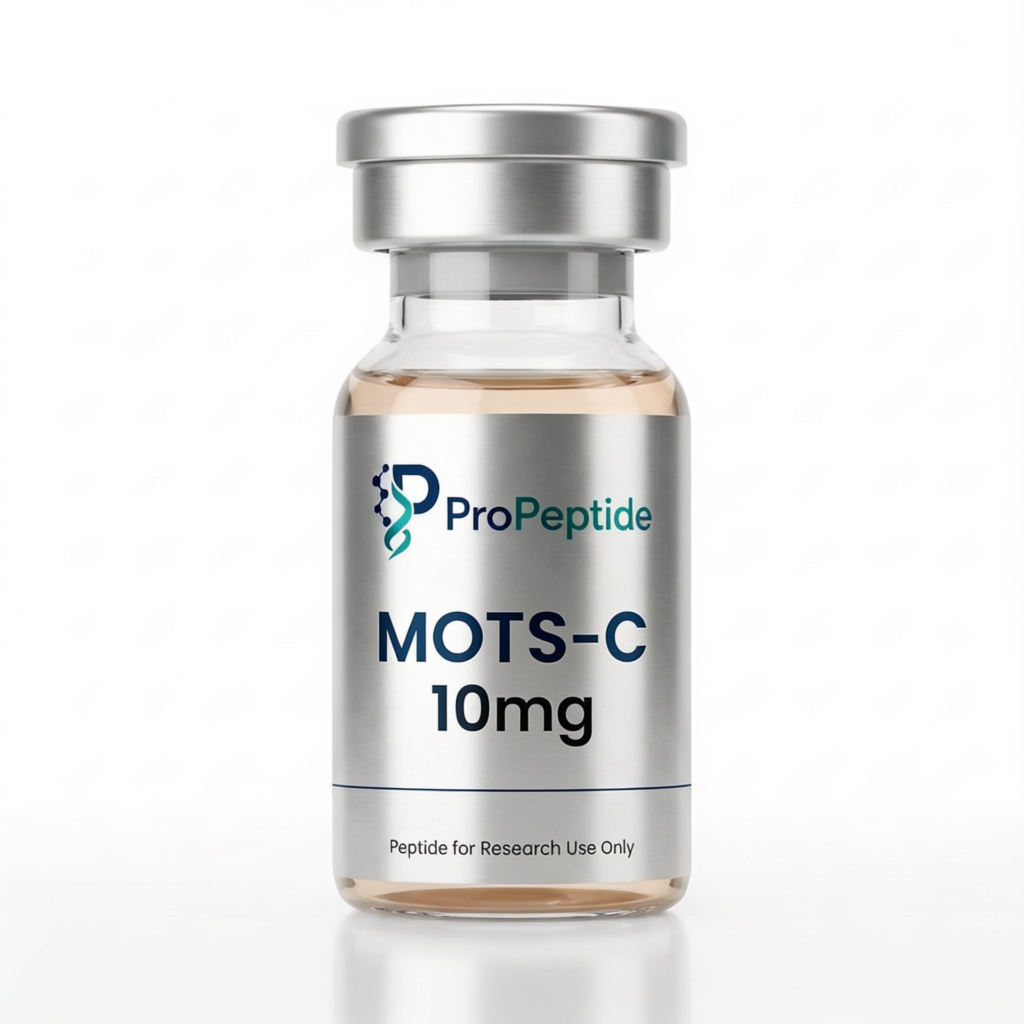
MOTS-C
MOTS-C is one of the key products commonly grouped under longevity research peptides because it is a mitochondrial-derived peptide studied in energy metabolism, cellular stress response and ageing pathway models.
Research literature describes MOTS-C as encoded by a short open reading frame in mitochondrial 12S rRNA. It is reported to respond to stress or exercise and act through pathways including Folate-AICAR-AMPK signalling in research models.
For Pro Peptide, MOTS-C should be described strictly as a laboratory research peptide. It should not be promoted as an energy booster, exercise enhancer, anti-ageing product, metabolic treatment, performance peptide or injectable product for self-use.
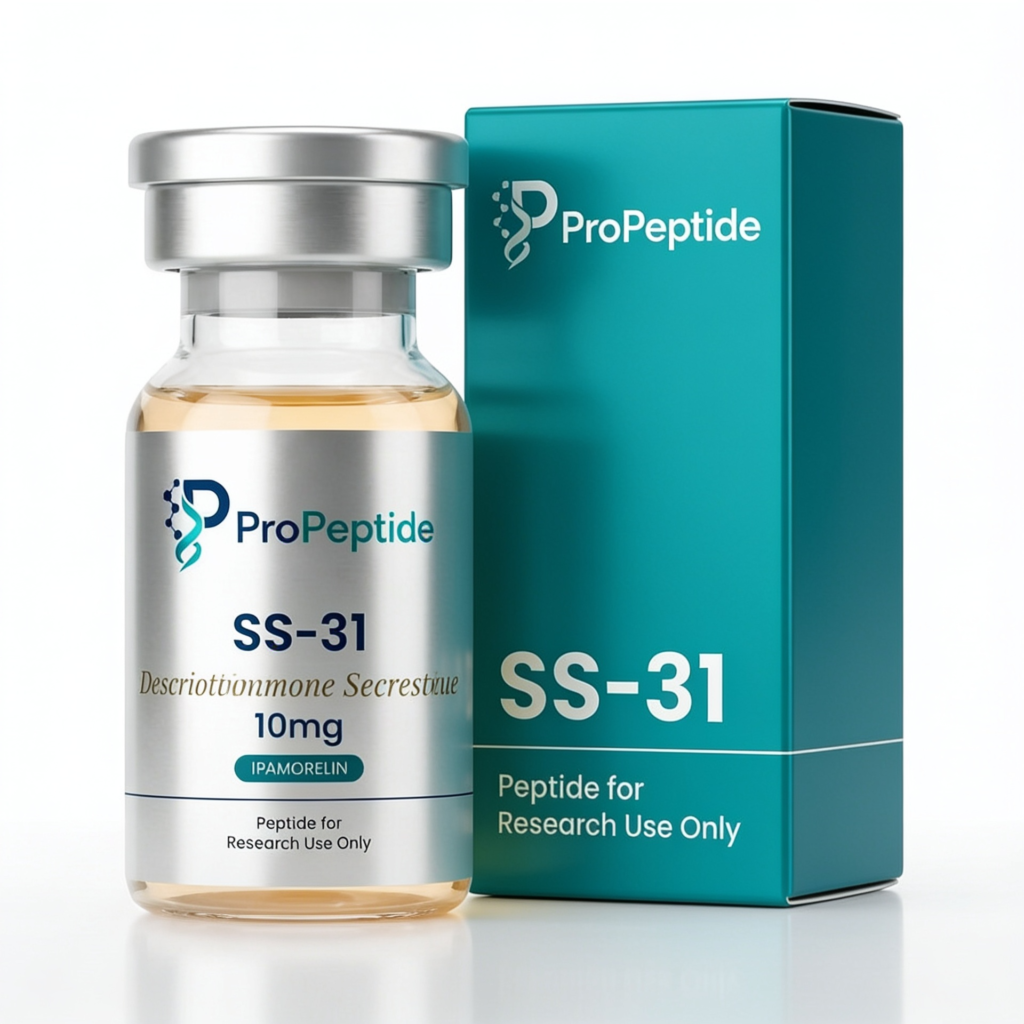
SS-31
SS-31, also known as Elamipretide, is commonly placed in longevity research peptides and mitochondrial research categories because of its relationship to mitochondrial membrane research and cardiolipin-related pathway studies.
Review literature describes Elamipretide as a mitochondria-targeted tetrapeptide studied for its interaction with cardiolipin on the inner mitochondrial membrane.
For Pro Peptide, SS-31 should be positioned around mitochondrial pathway research, cardiolipin research, cellular stress models and research documentation. It should not be marketed as a human mitochondrial support product, energy therapy, anti-ageing treatment or fatigue product.
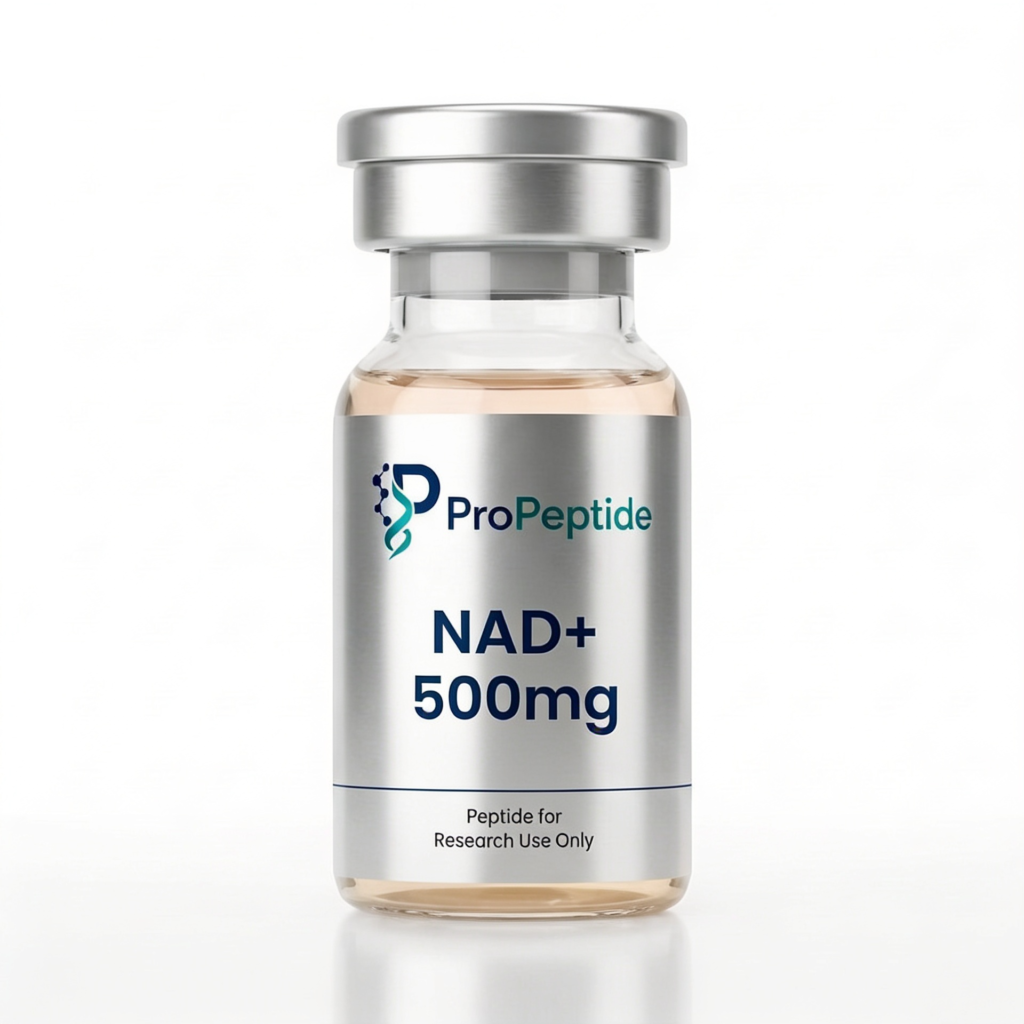
NAD+
NAD+ is included in this category as a research compound connected to redox biology, cellular metabolism and energy pathway research. It is not technically a peptide, so product copy should describe it as a research compound rather than a research peptide.
PubChem describes NAD+ as the oxidised form of nicotinamide adenine dinucleotide found in living cells and involved in redox reactions by carrying electrons from one reaction to another.
NAD+ should not be marketed as an IV product, anti-ageing treatment, energy booster, wellness infusion, supplement or therapeutic product.
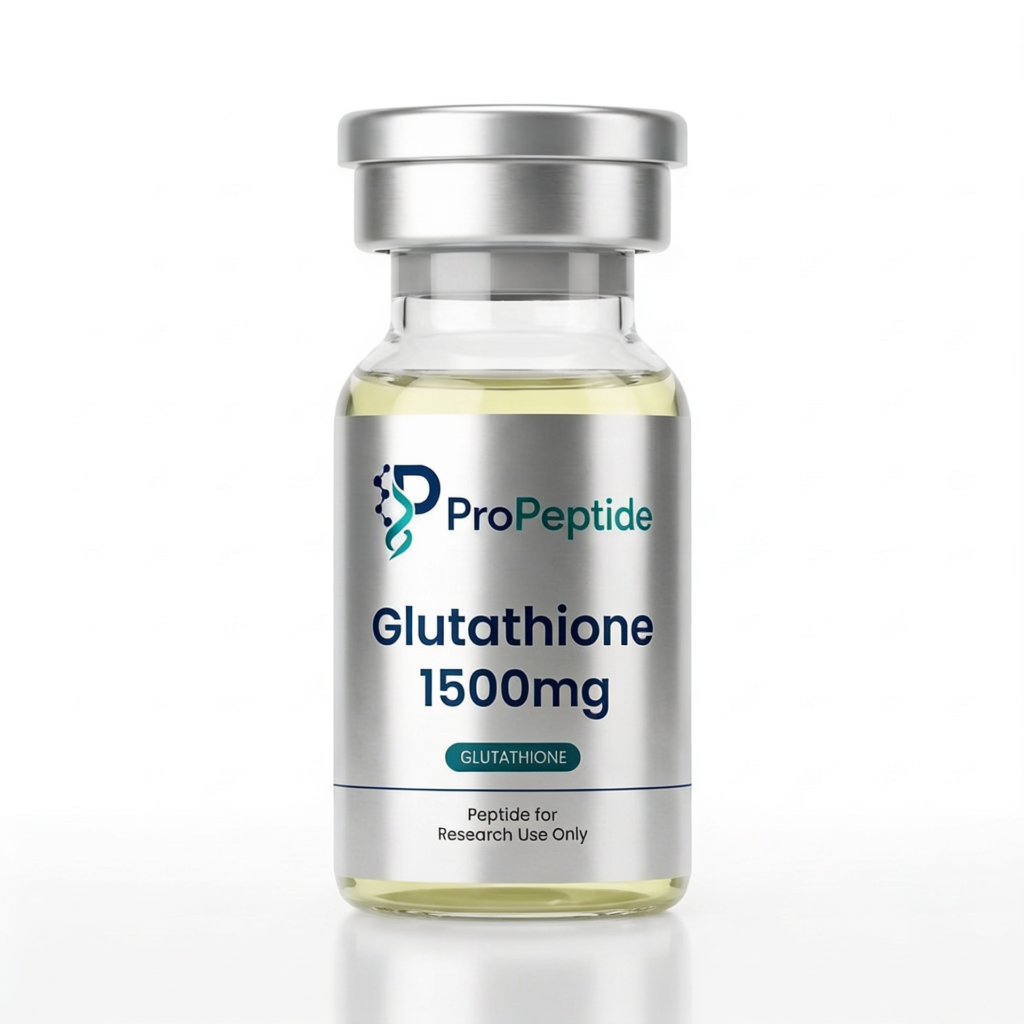
Glutathione
Glutathione is a tripeptide research compound made from glutamic acid, cysteine and glycine. It is commonly grouped near longevity research peptides because of its connection to redox biology, thiol chemistry, oxidative stress pathway research and cellular antioxidant systems.
PubChem describes glutathione as a tripeptide compound consisting of glutamic acid attached to cysteinylglycine, with roles as a thiol, cofactor and human metabolite.
For Pro Peptide, Glutathione should be described only as a redox pathway research compound. Avoid claims around detox, skin lightening, liver support, immune support, anti-ageing, IV use or supplementation.
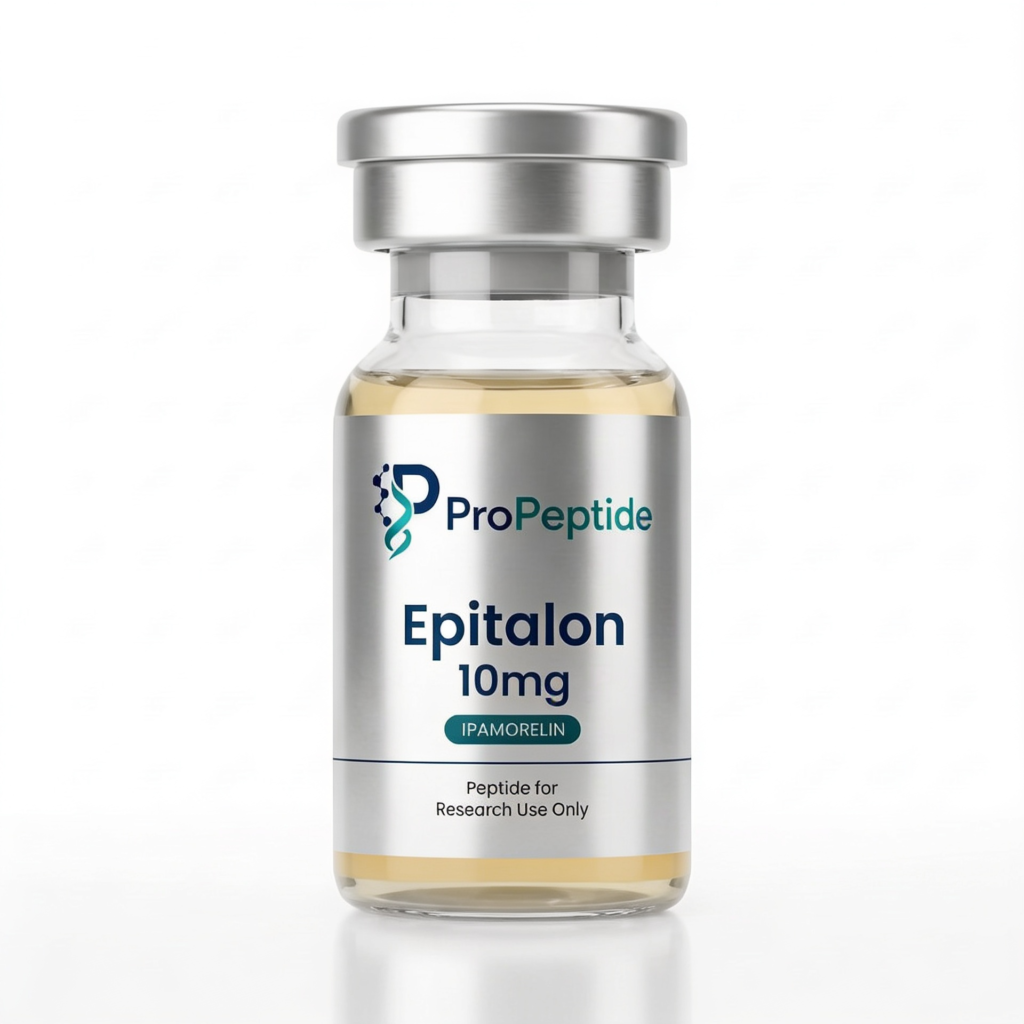
Epitalon
Epitalon, also known as Epithalon or Epithalone, is commonly discussed in longevity research peptides categories because of its research relationship to pineal peptide models, telomerase research, circadian pathway research and cellular ageing studies.
Review literature describes Epitalon as a tetrapeptide with the sequence Ala-Glu-Asp-Gly, also written as AEDG.
For Pro Peptide, Epitalon should remain positioned as a laboratory research peptide only. Avoid anti-ageing, lifespan extension, sleep improvement, melatonin support, hormone regulation, rejuvenation or human-use claims.